Smart Irrigation Landscaping Solutions for Water-Efficient Outdoor Spaces

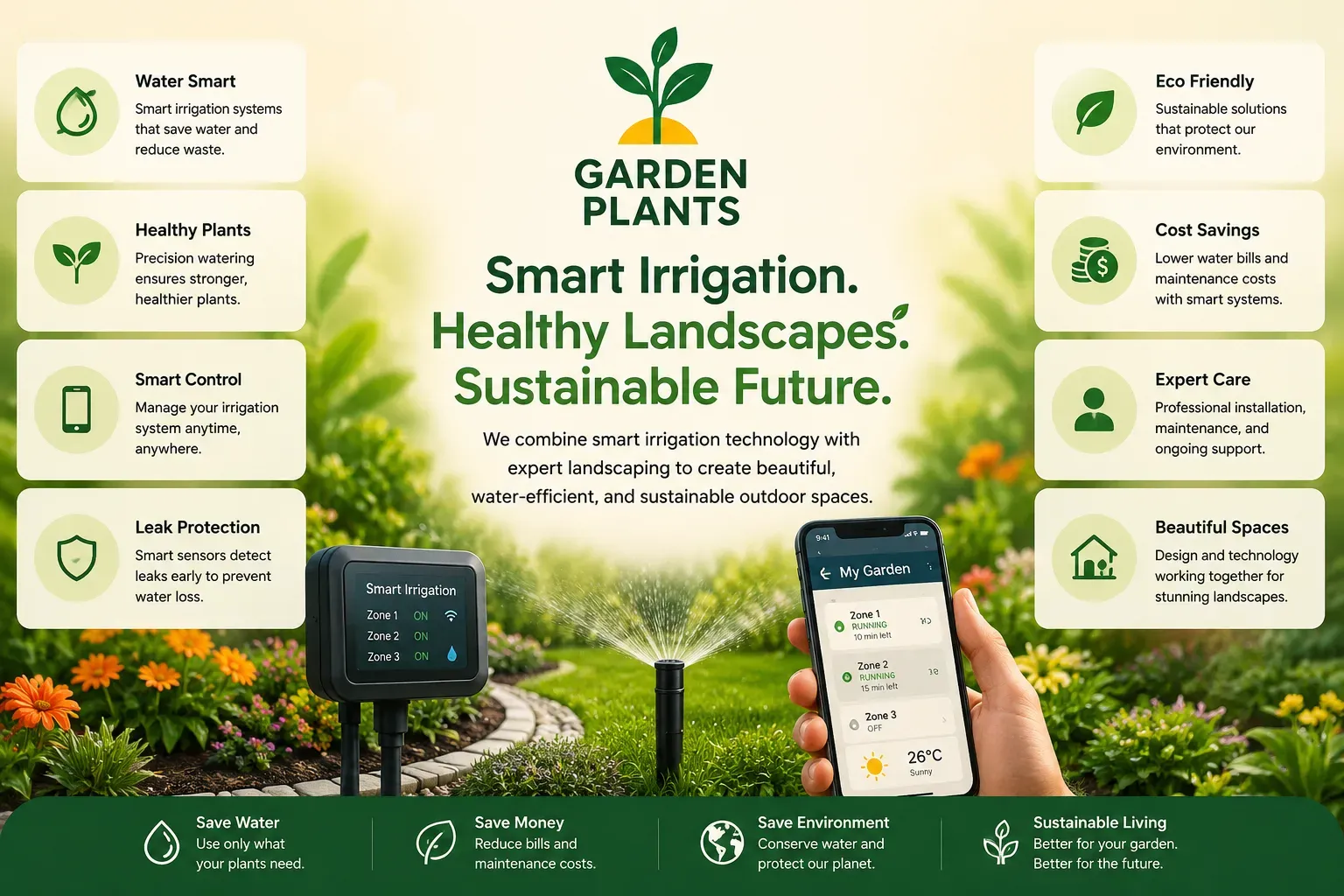
Modern landscaping is no longer only about appearance. Property owners now want outdoor spaces that are beautiful, sustainable, easy to maintain, and cost-effective. This shift has increased demand for smart irrigation landscaping solutions that combine efficient watering systems with intelligent landscape planning.
Smart irrigation systems use automation, sensors, and weather data to deliver the right amount of water at the right time. These systems help homeowners and businesses reduce water waste, lower utility bills, and maintain healthier landscapes throughout the year.
In this guide, you will learn how smart irrigation landscaping works, the best system types, key features, installation costs, landscaping strategies, and how to choose the right solution for your property.
What Are Smart Irrigation Landscaping Solutions?
Smart irrigation landscaping solutions are advanced watering systems designed to optimize water usage in residential and commercial landscapes. Unlike traditional irrigation methods that follow fixed schedules, smart systems automatically adjust watering based on weather, soil conditions, and plant needs.
Key Components of Smart Irrigation Systems
- Smart irrigation controllers
- Soil moisture sensors
- Weather monitoring systems
- Drip irrigation lines
- Automated sprinkler zones
- Mobile app controls
These technologies work together to improve water efficiency while supporting healthier plant growth.
Smart irrigation landscaping solutions use automated technology, sensors, and weather-based controls to water landscapes efficiently. These systems reduce water waste, improve plant health, lower utility bills, and support sustainable landscaping practices for homes and businesses.
How Does a Smart Irrigation System Work?
Smart irrigation systems collect environmental data and adjust watering schedules automatically.
Core Process
- Sensors monitor soil moisture and weather conditions.
- Controllers analyze watering requirements.
- Irrigation zones receive customized watering schedules.
- Mobile apps allow remote management.
Many systems connect to Wi-Fi and integrate with smart home ecosystems.
Important Smart Irrigation Technologies
| Technology | Purpose |
| Rain Sensors | Stop watering during rainfall |
| Soil Moisture Sensors | Prevent overwatering |
| Weather Controllers | Adjust watering based on forecasts |
| Smart Valves | Control water flow by zone |
| Mobile Apps | Remote monitoring and scheduling |
This technology improves both convenience and efficiency.
What Types of Smart Irrigation Systems Are Available?
Different landscapes require different irrigation strategies.
Drip Irrigation Systems
Drip irrigation delivers water directly to plant roots. It is ideal for:
- Flower beds
- Vegetable gardens
- Xeriscaping
- Shrubs and trees
Benefits include:
- Reduced evaporation
- Better root hydration
- Lower water usage
Smart Sprinkler Systems
These systems use automated sprinkler heads and controllers for lawns and larger landscapes.
Best for:
- Residential lawns
- Commercial properties
- Parks
- Sports fields
Subsurface Irrigation
Water is delivered underground near plant roots.
Advantages:
- Minimal evaporation
- Cleaner landscape appearance
- Reduced weed growth
Hybrid Irrigation Solutions
Some landscapes combine sprinklers and drip irrigation for maximum efficiency.
For example:
- Sprinklers for turf
- Drip systems for garden beds
Why Are Smart Irrigation Landscaping Solutions Important?
Water conservation is becoming a major priority worldwide. Smart irrigation systems help reduce unnecessary water usage without sacrificing landscape quality.
Main Benefits
- Water Savings: Smart systems can significantly reduce water waste by adjusting schedules automatically.
- Lower Utility Costs: Efficient watering lowers monthly water bills.
- Healthier Landscapes: Plants receive precise hydration based on their needs.
- Environmental Sustainability: Smart irrigation reduces runoff, erosion, and excess groundwater use.
- Reduced Maintenance: Automation decreases manual watering tasks.
Which Landscaping Designs Work Best With Smart Irrigation?
Some landscaping styles naturally work better with water-efficient irrigation systems.
Xeriscaping
Xeriscaping uses drought-resistant plants and minimal water requirements.
Common features include:
- Gravel pathways
- Native plants
- Mulch beds
- Succulents
Native Plant Landscaping
Native plants adapt naturally to local climates and require less irrigation.
Sustainable Outdoor Living Spaces
Modern outdoor spaces often combine:
- Smart irrigation
- Outdoor lighting
- Water-efficient plant design
- Automated maintenance systems
These landscapes create both visual appeal and long-term sustainability.
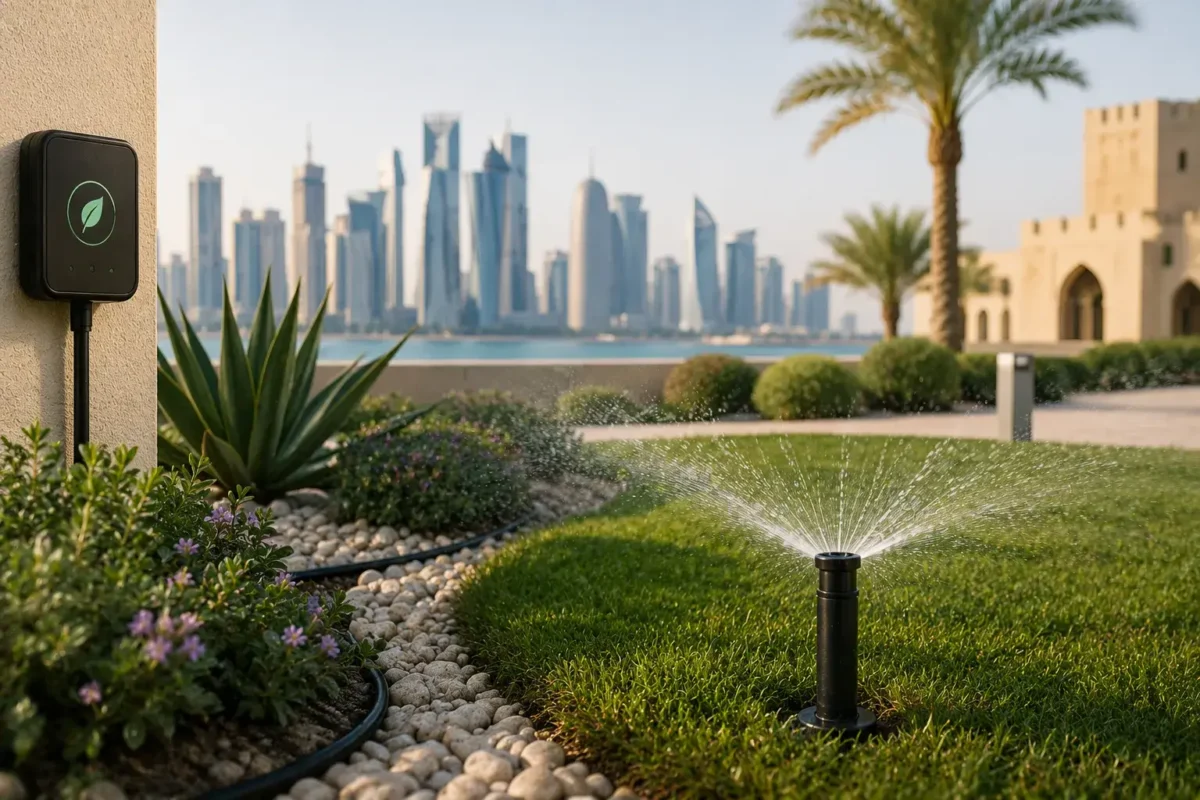
What Features Should You Look for in a Smart Irrigation System?
Choosing the right features improves system performance and long-term value.
Essential Features Checklist
| Feature | Why It Matters |
| Wi-Fi Connectivity | Remote management |
| Weather Integration | Automatic schedule adjustments |
| Leak Detection | Prevents water loss |
| Zone Customization | Different watering for different plants |
| Smart Scheduling | Improves efficiency |
| Mobile App Access | Easy monitoring |
Advanced Features
Some premium systems also include:
- Voice assistant integration
- AI-based watering schedules
- Water usage analytics
- Freeze detection
How Much Do Smart Irrigation Landscaping Solutions Cost?
Costs vary based on property size, system complexity, and landscaping design.
Average Installation Costs
| Property Type | Estimated Cost |
| Small Residential Yard | $1,500–$3,000 |
| Medium Residential Property | $3,000–$6,000 |
| Commercial Landscaping | $10,000+ |
Long-Term ROI
Smart irrigation systems often reduce:
- Water bills
- Landscape repair costs
- Plant replacement expenses
Over time, these savings can offset installation costs.
What Are the Best Plants for Water-Efficient Landscaping?
Plant selection plays a major role in irrigation efficiency.
Recommended Plant Types
Drought-Resistant Plants
- Lavender
- Agave
- Yucca
- Sage
Native Plants
Native species usually require less maintenance and watering.
Ground Covers
Ground covers help:
- Reduce evaporation
- Improve soil protection
- Limit weed growth
You can also explore drought-resistant garden plants and sustainable outdoor design ideas to improve water efficiency across your landscape.
What Mistakes Should You Avoid With Smart Irrigation Landscaping?
Even advanced irrigation systems can fail if installed incorrectly.
Common Mistakes
- Overwatering: Too much water damages roots and increases disease risk.
- Poor Irrigation Zoning: Different plants require different watering levels.
- Ignoring Drainage: Poor drainage creates standing water and root problems.
- Skipping Maintenance: Sensors, filters, and sprinkler heads require regular inspection.
Maintenance Tips
- Check for leaks monthly
- Clean filters regularly
- Adjust seasonal watering schedules
- Monitor soil moisture levels
These practices help maximize irrigation efficiency.
How Can You Choose the Right Smart Irrigation Landscaping Company?
Selecting the best landscaping partner is important for long-term success.
What to Look For
- Experience with smart irrigation technology
- Custom landscape planning
- Water conservation expertise
- Maintenance and repair support
- Positive customer reviews
Questions to Ask
- Do they offer weather-based irrigation systems?
- Can they customize watering zones?
- Do they provide maintenance services?
- Are their systems compatible with smart home devices?
A reliable company will create a tailored irrigation solution for your property.
How Do Smart Irrigation Systems Support Sustainable Landscaping Goals?
Smart irrigation plays a major role in eco-friendly landscaping and sustainable property management.
Sustainability Advantages
- Reduced water consumption
- Lower environmental impact
- Improved drought resistance
- Better resource management
Many cities and commercial properties now prioritize sustainable landscaping practices to meet environmental goals and water restrictions.
Smart Irrigation vs Traditional Irrigation Systems
| Feature | Smart Irrigation | Traditional Irrigation |
| Automated Scheduling | Yes | Limited |
| Weather Monitoring | Yes | No |
| Water Efficiency | High | Moderate |
| Remote Control | Yes | No |
| Water Waste | Low | Higher |
Smart irrigation systems provide better efficiency and lower operating costs over time.
Are Smart Irrigation Systems Worth the Investment?
For many property owners, the answer is yes.
Reasons Smart Irrigation Is Worth It
- Lower water bills
- Improved landscape health
- Less manual maintenance
- Increased sustainability
- Better long-term landscape performance
Modern landscaping increasingly depends on efficient water management systems.
Frequently Asked Questions
Can smart irrigation systems work for small gardens?
Yes. Small gardens benefit from drip irrigation and compact smart controllers.
Do smart irrigation systems require Wi-Fi?
Most advanced systems use Wi-Fi, but some basic systems can function offline.
How much water can smart irrigation save?
Savings vary, but efficient systems can significantly reduce unnecessary watering.
Are smart irrigation systems difficult to maintain?
No. Regular inspections and seasonal adjustments are usually sufficient.